Leadership Lessons
Asking Better Questions and Building Shared Understanding
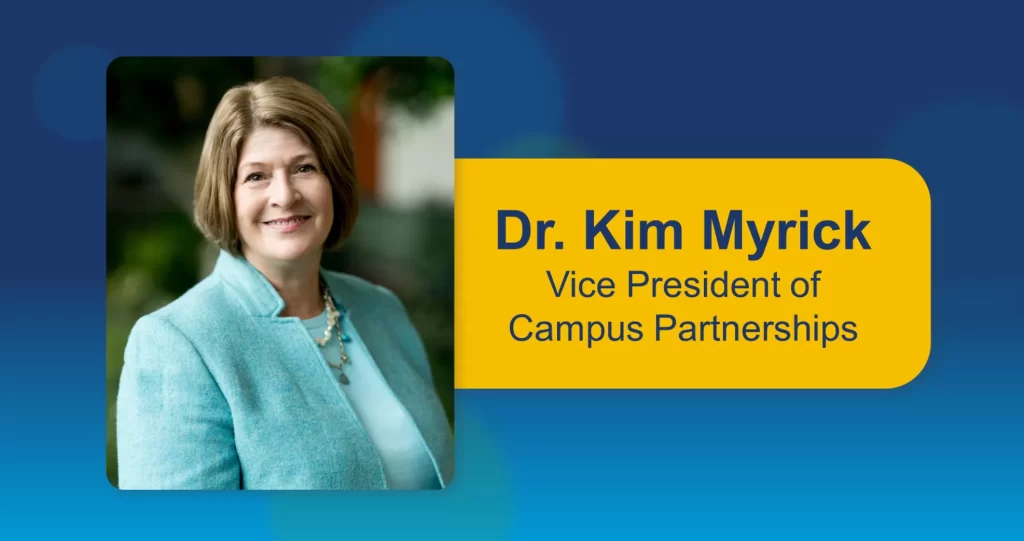
This month’s Leadership Lesson is authored by Kim Myrick.
In fast-moving professional spaces, there’s often silent pressure to keep the conversation moving, even when something doesn’t make sense. But leadership isn’t about always knowing, it’s about being brave enough to ask. Asking questions may slow the discussion but often results in better solutions built on shared understanding.
One of the most powerful phrases a leader can use is:
“I don’t need to be the expert on every topic. I need to be the learner.”
Let Go of the Need to Know
When I joined Ardeo a year ago, I left a situation where I knew the answers. And, if I didn’t know the answer, I knew who to ask to find the best path forward. I had a deep and rich knowledge covering the breadth of the services and solutions offered. I came to Ardeo eager to learn. As in any situation that is not familiar, I knew asking questions and seeking out information would be vital to building understanding. The challenge for all of us in unfamiliar situations is that we don’t know what we don’t know. Crafting questions that pull back the curtain is important whether we’re working in sales, service, or operations.
I now remind myself regularly: I don’t need to know all of the answers at the start. I need to be the learner. I need to ask questions to be sure I understand. It’s not about having the right answer every time, it’s about making time for better questions.
Create Space for Questions
The ability to ask thoughtful questions depends on the environment. When people feel safe to say, “I don’t know” or “That’s not clear to me,” collaboration improves. As a leader, you set the tone for that. How you respond to questions—and how you ask your own—signals what’s acceptable.
Powerful questions to model:
- “What problem are we trying to solve?”
- “How will this impact students or campus partners directly?”
- “What could go wrong if we misunderstand this step?”
- “Is there a potential consequence I have not considered?”
These questions aren’t just clarifying—they open the door to deeper thinking.
Shared Understanding Isn’t Automatic
When you ask or answer a question, it’s easy to assume everyone walks away with the same understanding. That may not be the case. Without intentional effort, conversations can leave people misaligned or confused, even if we nod in agreement. We can use the Four Rs to work toward shared understanding.
The Four Rs:
- Redefine – Are we assigning the same meaning to words or phrases?
“When you say ‘prospect’ do you mean a student who has indicated they are interested or a student record purchased for marketing outreach?” - Restate – Reflect back what you heard:
“So if we make this change will it be accessible by Monday?” - Reflect – Ask others to share their interpretation and include those who have not offered a viewpoint.
“How do you see this?” - Reconfirm – Align before moving forward:
“What are the next steps?”
This takes only moments, but it makes a long-term difference in clarity, trust, and outcomes. What questions would you add to this list?
A Leadership Challenge
This week, enter a conversation with this mindset:
“I don’t need to be the expert. I need to be the learner.”
Ask three questions that help surface assumptions, clarify impact, or guide next steps. Then go further, using the “Rs” to confirm shared understanding.
Ask with intention. Confirm with care. Lead with learning.