Ardeo News
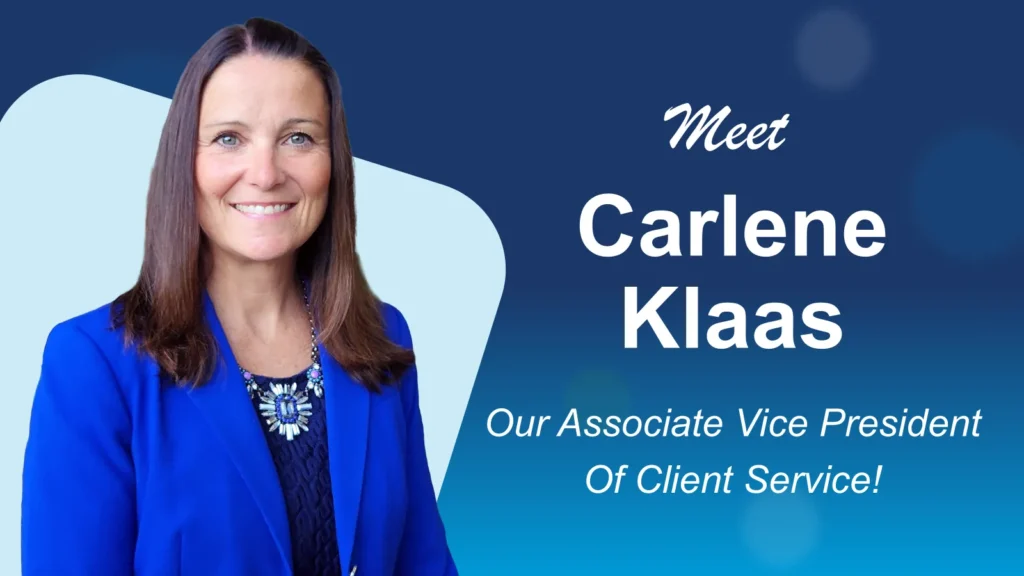
Our Associate Vice President of Client Service, Carlene Klaas, shared insights into the challenges higher ed enrollment leaders are facing today, as well as what she hopes to bring to her clients at Ardeo, in her Q & A below.
You can read more about Carlene’s experiences and background in her bio.
Getting to Know Carlene
Q: For those just getting to know you, can you share a bit about your background and what led you to Ardeo?
I’ve spent my entire career (30+ years) in the admissions and enrollment world. It all started with working as a student ambassador and tour guide while in college and, over time, working my way up to Dean of Admission and Vice President for Enrollment. I had heard about Ardeo from other higher education professionals and loved the idea of LRAPs providing a tool to address the affordability questions that are on the forefront of family’s minds, so jumped at the chance to join the team when offered the opportunity.
Q: You spent 17 years as Dean of Admission at DePaul University. Looking back on that experience, what are some of the most valuable lessons you learned about leadership and enrollment strategy?
I had the privilege of spending 20+ years working under the leadership of David Kalsbeek, one of the great minds in strategic enrollment management. There are many lessons I learned during my time at DePaul, but here are a few highlights:
- The power of data and analytics, and using data to make informed decisions and shape strategy.
- Even at a large institution, the importance of building relationships, both within the department and across campus. Committing that face-to-face time to building relationships, so people get to know me and trust me. That’s so important in getting things accomplished.
- Helping people understand that no matter what their role, the impact that they have on the team and what we’re able to achieve.
- Embrace innovation and new ideas. Be willing to try new things. Say Yes!
Industry Insights & Trends
Q: You’ve worked extensively with both traditional and non-traditional student populations. What trends are you seeing in how students and families evaluate college affordability and value today?
When I started in admissions, the focus was more on the overall college experience. With the rise in tuition, now parents and students are more interested in the return on the investment, the major, the job opportunities. They want to know if they will get a job, how much they will have to pay and whether this will be worth the money they’re paying. Questions today are much more targeted and specific versus about the overall experience of college.
Q: Many institutions are navigating increased enrollment pressure alongside growing concerns about student debt. Where do you see the greatest opportunities for colleges to better support students while also meeting institutional goals?
Retention, graduation and getting the degree completed in four years. Removing barriers to progress and even giving them options for how to accelerate their time to degree. These efforts help the student get through quickly and efficiently, but also help the institution’s retention and graduation rates.
And also cost clarity—transparency around the total cost of attendance so they know what to anticipate and aren’t surprised along the way. This promotes trust, helps the institution’s retention and graduation rates and builds affinity.
Q: We ask everyone this question — regarding issues in higher ed right now, what keeps you up at night?
I worry about my higher education colleagues sitting in what has been called “the hottest seat on campus”—those leading admissions and enrollment teams. Having sat in that seat myself, I know that the job is getting increasingly complex and increasingly stressful. They’re combatting many things externally that are outside of their control (demographic shifts, Federal policy changes, families questioning the value of college) and yet, we need strong, effective leaders to stay in these roles, to continue to be excited about the work they do and the impact they have on families.
Experience & Perspective
Q: Having spent your entire career in enrollment management, how has your perspective on student recruitment and enrollment evolved over time?
The entire industry has changed immensely since I started, “back in the 1900s,” as my children like to say. It’s no longer just about building the top of the funnel. Today, institutions have to be more targeted, focused and really understand the students that are the best fit for their institution and know how to best find those students.
Q: You’ve worked closely with both admissions and financial aid teams throughout your career. What role does collaboration between those areas play in achieving strong enrollment outcomes?
The work between admissions and financial aid is so integrated–the activities and efforts have to be aligned around the same goals. Net revenue is becoming increasingly important and growing net revenue truly is a team effort between those two departments. One department can’t do it without the other. Additionally, costs are so front and center for families now. Discussions around cost are happening much earlier in the recruitment process. Financial Aid staff can easily have the same, if not greater impact on a family’s ability to consider an institution.
Ardeo Impact & Strategy
Q: From your perspective, what makes LRAPs such a meaningful tool for helping students and families feel more confident about borrowing for college?
Today’s media presents a very alarming and often exaggerated perspective on student debt. LRAP goes a long way towards reducing the fear and anxiety about student loans. It takes that stress out of the equation, giving them more confidence. LRAP also allows students who are passionate about pursuing a career path that may have lower starting salaries (i.e teachers) to follow their dreams.
Q: In you role at Ardeo, what do you enjoy most about partnering with enrollment leaders and helping institutions meet their goals?
I love being able to talk strategy and determine how we can best utilize LRAP as part of their broader enrollment strategy. And, then, once we’ve determined how to deploy LRAP, I love working with enrollment leaders throughout the cycle on how to make the most of their LRAP campaign and the data provided.
Personal & Fun
Q: Outside of higher education and enrollment strategy, what’s something people might be surprised to learn about you?
I am a part of the less than .01% of the global population that has completed an Ironman triathlon, where you swim 2.4 miles, bike 112 miles and then run a marathon (26.2 miles). It was one of the hardest things I’ve done, but incredibly rewarding to set an ambitious goal, create a plan for achieving it and then see it come to fruition.